
Trader Joe’s Thai Green Curry Recipe
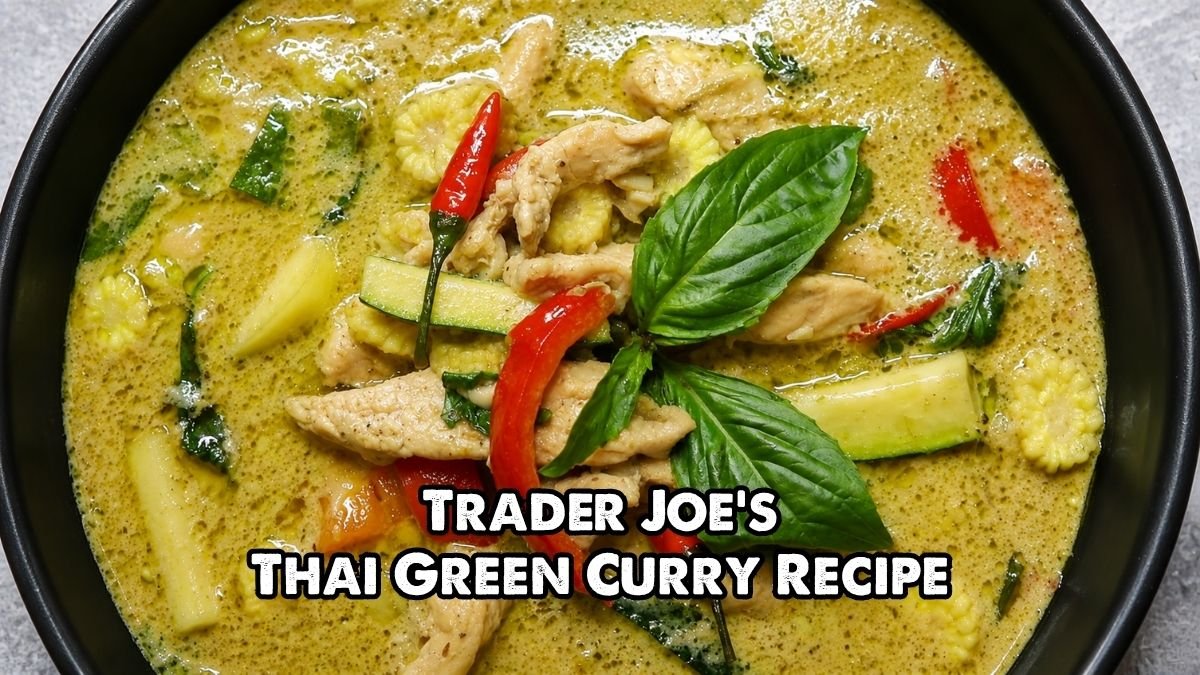
Last month, I sent my wife a photo of an empty shelf at Trader Joe’s. The green curry sauce was completely sold out again. That night, I decided to make my own version. This Trader Joe’s Thai Green Curry Recipe came from that experience.
It uses the same basic flavors as the jarred sauce but is made with fresh ingredients. I lived just two blocks away from a Trader Joe’s for six years before moving to a town without one, and that green curry sauce was a regular part of my meals.
Losing easy access pushed me to try making it myself. At first, I added too much fish sauce, and it tasted too much like the ocean. The recipe below fixes that and a few other mistakes I made along the way.

Notes From My Own Testing
When I first tried this recipe, I used 4 tablespoons of sauce instead of 2, and it tasted awful. Add sauce in smaller amounts and taste as you go, instead of using the full measurement at once.
A cheap, watery can lead to a sauce that is separated into an oily layer on top. In contrast, a full-fat can with solid cream on top stayed smooth while simmering. Now, I shake every can hard before opening it. I started this habit after ruining a dish while trying to cook quickly for my kids.
I skip many hard-to-find ingredients, usually in traditional Thai green curry paste. The bright green color mostly comes from green chilies and cilantro instead of food coloring, so a homemade version needs plenty of both to achieve that herbal green.
Store-bought sauce is also sweeter than most restaurant versions, likely to attract more grocery shoppers. To make a copycat version, you should embrace that slightly sweeter taste since that’s what many fans of the jar expect.
What Trader Joe’s Thai Green Curry Actually Contains
- 2 tablespoons of neutral oil (avocado or grapeseed): This oil helps to release the flavors of the aromatics in the pan before adding anything else. A neutral oil won’t clash with the curry’s flavor like olive oil can at high heat.
- 3 tablespoons of green curry paste (Thai Kitchen or Mae Ploy): The paste provides most of the heat and flavor for the dish, replacing many ingredients used in a traditional recipe. Mae Ploy is usually spicier and more concentrated compared to Thai Kitchen.
- 2 cans of full-fat coconut milk (13.5 oz each): This creates the base of the sauce and adds richness. Chaokoh is a reliable brand that doesn’t separate, unlike some grocery store brands.
- 1 pound of boneless, skinless chicken thighs, sliced thin: Thighs stay tender while simmering, unlike chicken breast. Slice the chicken into half-inch strips against the grain to ensure even cooking and tenderness.
- 2 tablespoons of fish sauce, added gradually: Fish sauce adds saltiness and deep flavor that plain salt can’t provide. Red Boat is a good quality brand that is worth the extra cost, as cheaper brands can taste dull.
- 1 tablespoon of packed brown sugar: A small amount of sugar helps balance the saltiness of the fish sauce and the heat from the curry paste. Light brown sugar is preferred over dark, which can have a stronger flavor.
- 1 cup of torn Thai basil leaves: Thai basil has a unique peppery and anise-like flavor that regular basil lacks. It holds up better under heat without becoming mushy. Look for it at an Asian grocery store if you can’t find it at your regular supermarket.
- Juice of 1 lime, plus wedges for serving: Lime juice added at the end brightens the dish and cuts through the richness of the coconut milk. Squeeze it right before serving, as cooking reduces the citrus flavor.
Equipment to Make Trader Joe’s Thai Green Curry Recipe
- Large deep skillet: holds sauce without crowding
- Wooden spoon: won’t scratch nonstick surfaces
- Sharp knife: for thin, even chicken slices
- Cutting board: dedicated one for raw chicken
- Measuring spoons: precision matters for fish sauce
- Citrus juicer: gets more juice from limes
How to Make Trader Joe’s Thai Green Curry
1. Bloom the Curry Paste: Heat oil in a large skillet over medium heat. Add the curry paste directly to the hot oil. Stir it for about 2 minutes until it smells fragrant and darkens a bit. This step is important for maximizing the flavor of the curry.
2. Add the Coconut Milk: Pour in both cans of coconut milk and scrape any curry paste from the bottom of the pan. Whisk until the mixture is smooth and there are no streaks of paste. Bring it to a gentle simmer, avoiding a hard boil to prevent the coconut milk from separating.
3. Add the Chicken: Add the sliced chicken to the simmering sauce, spreading the pieces out to cook evenly. Simmer for about 9 minutes, stirring occasionally, until the chicken is fully opaque with no pink showing.
4. Season Gradually: Stir in 1 tablespoon of fish sauce and brown sugar. Taste before adding more fish sauce. The sauce should be balanced, not too sharp or salty. Only add the second tablespoon of fish sauce if needed, and taste again.
5. Simmer Until Slightly Thickened: Let the curry simmer uncovered for another 6 to 8 minutes. The sauce should coat the back of a spoon instead of running off immediately. If the sauce is too thin, try raising the heat slightly.
6. Finish With Basil and Lime: Remove the pan from heat and stir in the torn Thai basil leaves and lime juice. The basil will wilt from the heat within about 30 seconds, which is the right texture.
7. Serve Immediately: Serve the curry over steamed jasmine rice right away. The sauce will continue to thicken as it sits and may become gluey after 15 minutes off the heat. Garnish with extra basil and a lime wedge for extra flavor.
Perfection Tips for Trader Joe’s Thai Green Curry
- Sauce Tastes Too Salty: Squeeze in extra lime juice and a small spoonful of brown sugar to balance it, rather than adding water, which dilutes the whole pot’s flavor along with the salt.
- Sauce Separates Into an Oily Layer: This usually means the coconut milk boiled too hard at some point. Lower the heat and whisk vigorously to bring it back together before serving.
- Chicken Turns Rubbery: Overcooked chicken thighs toughen up fast once the sauce reduces. Pull the pan off heat the moment the pieces turn fully opaque, rather than simmering longer than needed.
- Curry Tastes Flat: This points to skipping the paste-blooming step. Add an extra half tablespoon of paste toward the end and let it simmer for 2 more minutes to compensate.
- Sauce Won’t Thicken: Simmer uncovered rather than covered, since trapped steam adds moisture back into the pot faster than it evaporates.
- Basil Turns Black and Mushy: Add it off heat, not during the simmer. Residual heat wilts it gently without cooking it down to nothing.
Trader Joe’s Thai Green Curry Recipe Variations to Try
Shrimp Version: Swap the chicken thighs for 1 pound of peeled, deveined shrimp, added during the last 4 minutes of simmering instead of the full 9, since shrimp cooks much faster and turns rubbery quickly. This is the version I make on Fridays when the seafood counter has a good sale.
Vegetable and Tofu: Use 14 ounces of pressed, cubed extra-firm tofu along with a mix of bell peppers, bamboo shoots, and snap peas for a version that holds up well for meal prep through the week.
Extra Spicy: Stir in 1 to 2 sliced Thai chilies along with the curry paste for a version with real heat behind it, best saved for anyone at the table who actually asks for more spice.
Pineapple Green Curry: Add 1 cup of fresh pineapple chunks during the last 5 minutes of cooking for a sweet, slightly tropical contrast against the savory sauce, closer to what shows up on some menus around town.
Eggplant and Bell Pepper: Add 1 cup of cubed Thai eggplant along with sliced bell peppers during step 3, giving the curry a heartier, more vegetable-forward bite without needing extra protein.
What Dishes to Try With This Trader Joe’s Thai Green Curry
Start with jasmine rice, but use coconut rice made with leftover canned coconut milk for a better dish. Serve a cold cucumber salad with rice vinegar and a bit of sugar on the side; its acidity balances the rich curry sauce.
Fresh or fried spring rolls make a good starter that won’t overshadow the curry’s taste. For a complete meal, I usually put fresh spring rolls and a bowl of coconut rice on the table first, and then bring out the hot curry last.
I also like to serve Thai iced tea, but plain iced water is fine too if I’m not prepared. The whole meal takes less than an hour to make once the rice is cooking, which is quick compared to most weeknight dinners at my house.
Storing, Freezing & Reusing
1. Refrigerated, up to 4 days: After the curry cools to room temperature, store it in an airtight container. If you seal it while it’s still hot, steam will get trapped, and the sauce will become watery over time.
When you reheat it, do so gently on the stovetop over low heat. Avoid using the microwave, as it tends to overcook the chicken around the edges.
2. Frozen, up to 2 months: Coconut-based sauces may separate a bit after freezing. When you reheat the curry, whisk it well to restore a smooth consistency. It’s best to freeze it in a flat, sealed bag instead of a rigid container. This way, it thaws faster and takes up less space.
3. Reusing leftover sauce: If you have extra sauce with little chicken left, use it by spooning it over roasted vegetables or mixing it into plain rice for a quick lunch. This way, you won’t waste it, and you’ll still enjoy the flavor.
Trader Joe’s Thai Green Curry Recipe FAQs
1. Why does my curry taste bitter instead of aromatic?
Burnt curry paste during the blooming step is the most common cause. Keep the heat at medium, not high, and stir constantly during those first 2 minutes in the oil.
2. How spicy is this recipe as written?
It sits at a mild-to-medium heat level with the paste amount listed, similar to the jarred sauce from the store. Add sliced Thai chilies for real heat, since the base recipe stays fairly gentle on purpose.
3. Why did my sauce turn out too thin?
Simmering covered traps moisture that should be evaporating, so uncover the pan for the last 6 to 8 minutes and let it reduce properly.
4. How long does the chicken need to marinate before cooking?
No marinating time is needed here, since the sauce itself carries most of the seasoning during the simmer rather than relying on a separate marinade step beforehand.
5. Is this recipe gluten-free?
Most curry pastes and fish sauce brands are gluten-free, though checking the specific label matters, since a few brands add wheat-based thickeners during processing.

Trader Joe's Thai Green Curry Recipe
Make this Trader Joe's Thai Green Curry Recipe with coconut milk, chicken, green curry paste, basil, and lime for an easy flavorful dinner.
Ingredients
- 2 tablespoons neutral oil, such as avocado or grapeseed oil
- 3 tablespoons Thai green curry paste
- 2 cans (13.5 ounces each) full-fat coconut milk
- 1 pound boneless, skinless chicken thighs, thinly sliced
- 2 tablespoons fish sauce, added gradually
- 1 tablespoon packed light brown sugar
- 1 cup Thai basil leaves, torn
- 1 lime, juiced, plus wedges for serving
- 4 cups cooked jasmine rice, for serving
Instructions
- Heat oil in a large skillet over medium heat. Add the curry paste directly to the hot oil. Stir it for about 2 minutes until it smells fragrant and darkens a bit. This step is important for maximizing the flavor of the curry.
- Pour in both cans of coconut milk and scrape any curry paste from the bottom of the pan. Whisk until the mixture is smooth and there are no streaks of paste. Bring it to a gentle simmer, avoiding a hard boil to prevent the coconut milk from separating.
- Add the sliced chicken to the simmering sauce, spreading the pieces out to cook evenly. Simmer for about 9 minutes, stirring occasionally, until the chicken is fully opaque with no pink showing.
- Stir in 1 tablespoon of fish sauce and brown sugar. Taste before adding more fish sauce. The sauce should be balanced, not too sharp or salty. Only add the second tablespoon of fish sauce if needed, and taste again.
- Let the curry simmer uncovered for another 6 to 8 minutes. The sauce should coat the back of a spoon instead of running off immediately. If the sauce is too thin, try raising the heat slightly.
- Remove the pan from heat and stir in the torn Thai basil leaves and lime juice. The basil will wilt from the heat within about 30 seconds, which is the right texture.
- Serve the curry over steamed jasmine rice right away. The sauce will continue to thicken as it sits and may become gluey after 15 minutes off the heat. Garnish with extra basil and a lime wedge for extra flavor.
Nutrition Information:
Serving Size: 1Amount Per Serving: Calories: 560
My wife still checks that shelf whenever we’re near a store, even though we haven’t needed to buy the sauce in months.
If you’ve found that same empty spot on the shelf, you can now use the Trader Joe’s Thai Green Curry Recipe version, which doesn’t rely on having it in stock.





One Comment