
Dave’s Hot Chicken Sauce Recipe
A jar of this sauce sits in my fridge from Sunday until the following Saturday. I cook a fresh batch each weekend, usually while the oven is already hot for something else. The index card holding my first draft still has a grease stain.
After trying several hot sauce recipes, I settled on this Dave’s Hot Chicken Sauce Recipe. It needs only a few ingredients. My first sauce tasted raw and sharp. Simmering it the full time and letting it cool before tasting rounded the flavor.
Why This Sauce Beats Anything from a Jar
People often ask how it compares with the chain’s heat menu. The chain sells seven levels, from No Spice up to Reaper. In my batches, jalapeños land near Medium, and habaneros push it toward Hot. Stick to one pepper type per batch.
Blending gives a smooth, even texture that jarred sauces rarely match. Simmering reduces the vinegar and sugar into a glossy syrup. No cornstarch or gum is needed. Making the sauce at home lets you set the heat by adjusting the spice amounts.
Wear gloves when handling habaneros. I skipped them once, rubbed my eye, and spent that evening holding a cold washcloth to my face. Wash the cutting board with soap too, since capsaicin clings to plastic.
Ingredients for Dave’s Hot Chicken Sauce
2 Hot Peppers: Peppers supply the heat, and roasting turns their sugars sweet. I buy jalapeños at Trader Joe’s, plus a habanero when I want a hotter jar. Pick firm ones with glossy skin and no soft brown spots.
Anaheim or poblano peppers work well for a milder sauce. Expect a grassier flavor and noticeably less burn than jalapeños. Roast poblanos a few minutes longer, since their walls are thicker.
1 Cup Vinegar: Tang comes from here, and the acid also keeps the sauce fresh in the fridge. Bragg apple cider vinegar is my pick for its soft fruit note. Read the label and avoid bottles with added sugar.
Distilled white vinegar is fine in place of it. The sauce turns sharper and loses the faint apple sweetness. Avoid balsamic, which muddies the red color and adds its own sweetness.
½ Cup Sugar: Wholesome organic light brown sugar is what I pack into the cup. Its molasses note sits beside the smoke. As it cooks down, the sugar builds the syrupy body that clings to chicken.
Granulated sugar gives a cleaner, sweeter finish. Use the same amount and expect a slightly lighter color. Honey is sweeter, so use ⅓ cup in place of the ½ cup.
3 Garlic Cloves: Garlic adds a savory backbone that keeps the sweetness from tasting flat. Christopher Ranch heads are firm and easy to find. Mince the cloves finely so they dissolve in the blender.
Pre-minced jarred garlic tastes sour next to the vinegar, so I leave it on the shelf. Use ½ teaspoon of garlic powder only in a pinch, since the flavor turns flatter.
1 Teaspoon Salt: Diamond Crystal kosher salt is the box I keep by the stove. It balances the sugar and brings out the fruitiness of the roasted peppers. Choose plain salt without added ingredients.
Morton kosher or fine sea salt is denser, so use a scant ¾ teaspoon instead.
1 Cup Water: Thinning the blend with water keeps the sugar from scorching during the long simmer. I use water from my Brita pitcher, but tap water works fine. Measure it exactly, because extra water adds simmering time.
2 Tablespoons Olive Oil: California Olive Ranch everyday extra virgin is what I pour. The oil carries the paprika’s color and flavor and gives the finished sauce a faint sheen. Pick a mild bottle, since peppery oils compete with the heat.
Avocado oil is neutral, so the sauce tastes cleaner and loses the olive note. Keep the bottle in a dark cupboard.
2 Tablespoons Lemon Juice: A fresh squeeze adds a bright top note that vinegar alone cannot reach. It also lifts the sauce after simmering. One medium lemon covers it, with a spoonful to spare.
Bottled ReaLemon works when lemons are scarce. Expect a flatter, less fragrant finish. Lime juice works in the same amount and tastes a touch greener.
1 Teaspoon Smoked Paprika: La Chinata sweet smoked paprika comes in a small tin I keep away from the stove. It builds the smoky aroma and tints the sauce a deep brick red. Heat fades its color within months.
Regular sweet paprika plus a pinch of chipotle powder lands close, though the smoke is lighter.
1 Teaspoon Black Pepper: McCormick Gourmet Tellicherry peppercorns go into my grinder. Freshly ground pepper adds a savory, floral warmth that sits behind the chili burn. Pre-ground pepper loses that aroma within weeks, so grind it just before measuring.
White pepper works in the same amount. It leaves fewer dark specks but tastes earthier.
Quick Tools Needed
- Blender: Blends peppers until smooth
- Baking Sheet: Roasts peppers evenly
- Saucepan: Thickens the sauce slowly
- Measuring Cups: Accurate liquid and sugar amounts
- Measuring Spoons: Small spice amounts
- Wooden Spoon: Scrapes the pan edges
Step-by-Step Instructions to Make Dave’s Hot Chicken Sauce
1. Roast the Peppers: Start by roasting the hot peppers to enhance their sweetness and add flavor. Place the peppers on a baking sheet and roast them in the oven at 400°F for 30-40 minutes, or until the skin is blistered and charred. After roasting, let the peppers cool. Then, peel off the skin, remove the seeds, and chop them into small pieces.
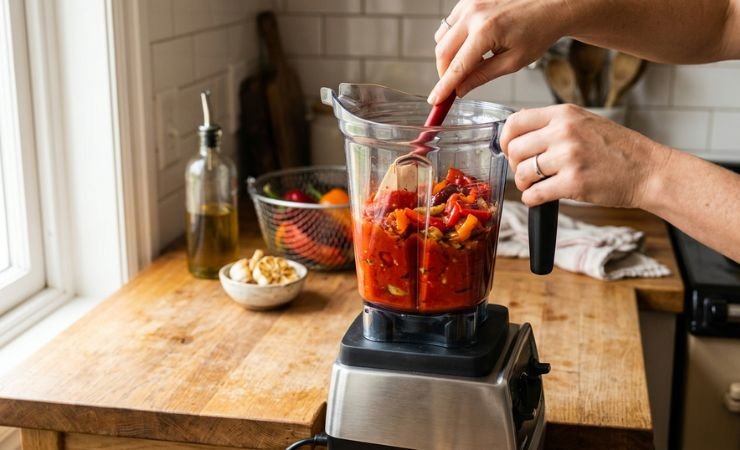
2. Blend the Ingredients: Next, combine the ingredients in a blender or food processor. Blend until smooth and fully mixed. You may need to pause the blender and scrape the sides a few times to ensure everything is blended well.
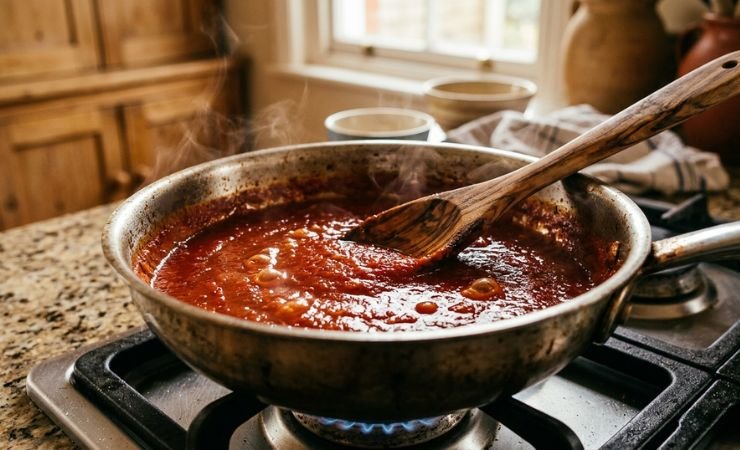
3. Heat the Sauce: After blending, heat the sauce in a saucepan over medium heat. Stir constantly to avoid burning or sticking. The sauce is ready when it becomes thick and syrupy, coating the back of a spoon.
4. Add the Seasonings: Once the sauce is heated, mix in the seasonings, including salt, black pepper, and smoked paprika. Stir well to combine. You can also add other seasonings, like garlic powder or onion powder, if you want.
5. Simmer the Sauce: Simmer the sauce for 10-15 minutes until it thickens. Stir occasionally to prevent burning. The sauce is done when it is thick enough to coat the back of a spoon.
6. Let it Cool: Once the sauce is ready, let it cool to room temperature to stop the cooking and prevent it from getting too thick. You can use the sauce right away or store it in the fridge for later. A glass jar with a tight lid works well, and it stays good for up to a week in the fridge.
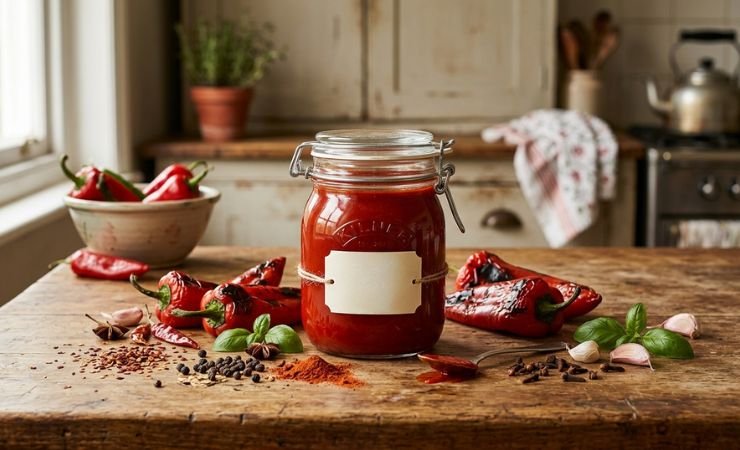
Chef Special Tips for Dave’s Hot Chicken Sauce
Sauce Tastes Flat: Stir in 1 tablespoon of lemon juice or vinegar, then taste again. Add it in small splashes.
Sauce Looks Thin: Blending too long can leave it thin and bland. Pulse only until the flecks disappear.
Sauce Smells Scorched: Pour it into a clean pan right away and leave the stuck layer behind. Burnt sugar turns bitter, and extra lemon will not hide it.
Sauce Tastes Dull: Old garlic or tired paprika mutes it. Replace any spice tin older than a year.
Heat Is Too Strong: Whisk in 1 tablespoon of sugar and a splash of water, then simmer for 2 more minutes.
Heat Is Too Weak: Blend half a roasted habanero into a small portion first, and taste before adding more to the pot.
How I Customize This Dave’s Hot Chicken Sauce
Spicy Variation: Blend in 1 extra jalapeño or a serrano pepper for added heat. The burn arrives sooner and lingers longer. I brush it on wings for game days.
Smoky Variation: Add one canned chipotle pepper next to the smoked paprika. It deepens the smoke and adds a faint adobo tang. Start with half the pepper for a gentler version. Serve it on grilled chicken thighs.
Citrusy Variation: To make the sauce brighter and more citrusy, add freshly squeezed lemon or lime juice for acidity. This suits people who like a bit of zing. I spoon it over baked tenders.
Garlic Variation: Roast 2 extra unpeeled cloves with the peppers. Roasting turns them nutty and sweet, which gives a richer taste. It is good over roasted potatoes.
Honey Variation: Stir in 1 tablespoon of honey after simmering. It softens the burn and thickens the sauce slightly. I pour this one for anyone at the table who avoids heat.
Creamy Variation: Whisk 1 tablespoon of the cooled sauce into 3 tablespoons of mayonnaise. The result is a tangy orange dip. I serve it with fries and onion rings.
What I Serve With Dave’s Hot Chicken Sauce
Crunchy carrot and celery sticks cool the burn and give the sauce something to cling to. Roasted sweet potato wedges soak it up well. Crinkle-cut fries work for a different reason: the ridges catch the syrupy glaze. Try it with grilled chicken or scrambled eggs.
A cold glass of milk calms the heat better than water does, thanks to its fat. Rich burgers also hold up to the tang. Try a Smash Burger with a spoonful on top, or a Guy Fieri Perfect Burger.
A creamy coleslaw on the side calms the heat between bites. Pickled red onions and pickle chips add a sour snap that matches the vinegar in the sauce. Cold cucumber spears with a pinch of salt do the same job.
How I Store Dave’s Hot Chicken Sauce
Pour the cooled sauce into an airtight glass jar and refrigerate at 40°F or lower for up to 7 days. I use the same 16-ounce Ball jar every time, chipped lid and all. Glass will not hold onto pepper stains or smells.
Write the date and contents on masking tape, which peels off glass without residue. Keep the jar at the back of the fridge, where the temperature stays steadier than the door. Cold dulls the sweetness a little, so a room-temperature spoonful tastes truest.
For longer storage, freeze the sauce in a zip bag laid flat at 0°F or lower. It keeps for 6 months. Flat bags thaw faster and fit between the frozen peas. Ice cube trays freeze single portions.
Reheat in a saucepan over medium heat, stirring until warm. The microwave also works with stirring every 30 seconds so the sugar does not scorch. Thawed sauce can separate, so whisk in 1 tablespoon of water.
Dave’s Hot Chicken Sauce Recipe FAQs
1. Can I use a food processor instead of a blender?
Yes. Run it longer than you expect and scrape the bowl twice, because a processor leaves tiny flecks of pepper skin. The sauce comes out slightly more rustic but tastes the same. A mini chopper handles small batches best.
2. Is the sauce gluten-free?
Yes. Every ingredient is naturally gluten-free. Read the labels on the paprika and vinegar anyway, since a few spice brands add fillers. Distilled vinegar is gluten-free in every brand I have used.
3. Can I skip roasting the peppers?
You can, but the sauce loses sweetness and tastes grassier. Raw peppers also need about 5 extra minutes of simmering to soften. Roasting costs only a hands-off 35 minutes, which you can spend prepping the rest of dinner.
4. Can I can this sauce for the pantry?
This recipe is not tested for shelf-stable canning, so keep it refrigerated or frozen. Home canning needs verified acidity levels and processing times, and this version has not been checked against them. A refrigerator jar is the safe path.
5. How do I get the sauce to cling to wings?
Toss freshly baked wings with 2 tablespoons of warm sauce per pound in a large bowl. Warm sauce spreads thinly and sticks to the hot skin, while cold sauce slides off. Toss again right before serving.
6. Can I use dried chiles instead of fresh?
Yes. Soak 4 dried guajillo or ancho chiles in hot water for 15 minutes, drain, and skip the roasting. Expect a mellow, raisiny heat rather than the bright burn of jalapeños. Add a teaspoon of the soaking water when it thickens too much.
7. Is it vegan?
Yes. Nothing in it comes from an animal. Organic sugar avoids bone-char filtering, which some conventional refined sugars still use.
8. Why did my sauce turn cloudy in the fridge?
Olive oil clouds and firms up when chilled. Let the jar sit on the counter for 10 minutes, then shake it. The sauce returns to a glossy pour, and the flavor is unchanged.
9. Can I use it as a marinade?
Yes, for up to 2 hours. Longer than that and the vinegar starts to turn chicken mushy. Pat the pieces dry before cooking and brush on fresh sauce at the end.
Dave's Hot Chicken Sauce Recipe
Discover Dave's Hot Chicken Sauce Recipe, made with fresh ingredients like hot peppers and garlic, for a perfect balance of spicy and tangy flavors.
Ingredients
- 2 Hot Peppers
- 1 cup Vinegar
- ½ cup Sugar
- 3 cloves Garlic
- 1 teaspoon Salt
- 1 cup Water
- 2 tablespoons Olive Oil
Instructions
- Start by roasting the hot peppers to enhance their sweetness and add flavor. Place the peppers on a baking sheet and roast them in the oven at 400°F for 30-40 minutes, or until the skin is blistered and charred. After roasting, let the peppers cool. Then, peel off the skin, remove the seeds, and chop them into small pieces.
- Next, combine the ingredients in a blender or food processor. Blend until smooth and fully mixed. You may need to pause the blender and scrape the sides a few times to ensure everything is blended well.
- After blending, heat the sauce in a saucepan over medium heat. Stir constantly to avoid burning or sticking. The sauce is ready when it becomes thick and syrupy, coating the back of a spoon.
Once the sauce is heated, mix in the seasonings, including salt, black pepper, and smoked paprika. Stir well to combine. You can also add other seasonings, like garlic powder or onion powder, if you want. - Simmer the sauce for 10-15 minutes until it thickens. Stir occasionally to prevent burning. The sauce is done when it is thick enough to coat the back of a spoon.
- Once the sauce is ready, let it cool to room temperature to stop the cooking and prevent it from getting too thick. You can use the sauce right away or store it in the fridge for later. A glass jar with a tight lid works well, and it stays good for up to a week in the fridge.
Nutrition Information:
Serving Size: 1Amount Per Serving: Calories: 85
Dave’s Hot Chicken Sauce Recipe comes down to one habit: simmer fully, then cool before tasting. Brown sugar sweetens it and vinegar keeps the heat in check.
Spoon it over tenders or brush it on wings. Stirred into mayonnaise it becomes a quick dip.


One Comment