
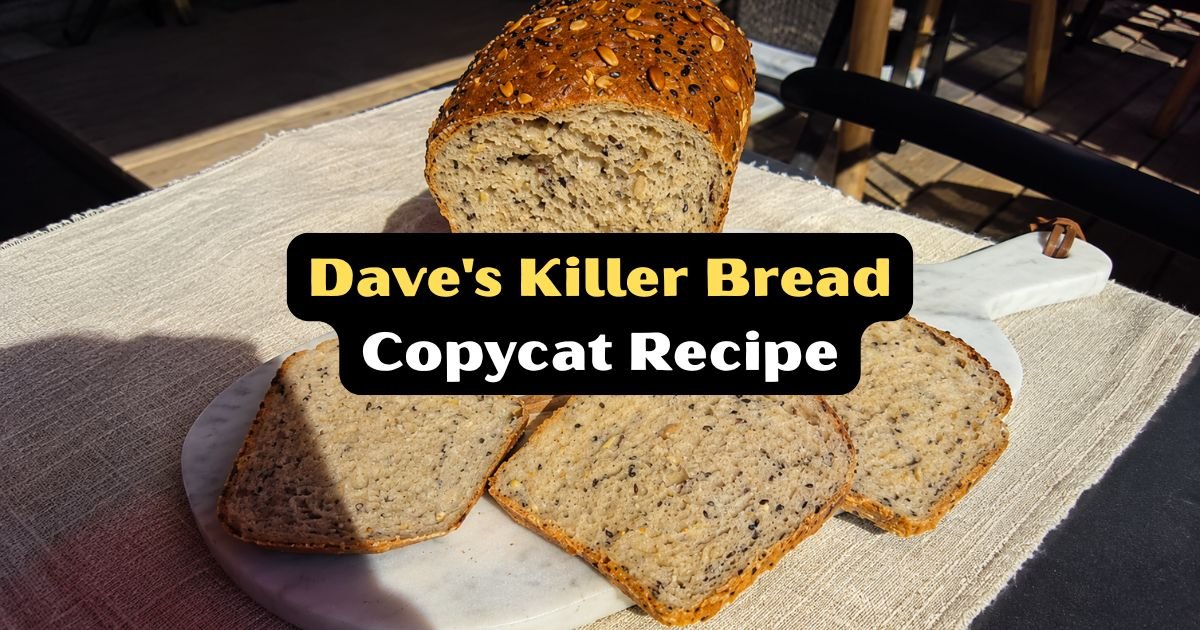
Dave’s Killer Bread Copycat Recipe
I’ve bought so many loaves of that seeded bread from the store that I finally decided to just bake it myself.
This Dave’s Killer Bread Copycat Recipe uses whole wheat flour, bread flour, and a whole handful of seeds pressed right into the crust.
It’s a dump-and-go kind of dough, which means you’re not babysitting it all day. You mix, you knead, you let it rise, and you end up with a loaf that smells like a bakery and tastes even better than the one from the shelf.
What Makes This Dave’s Killer Bread Copycat Recipe Special?
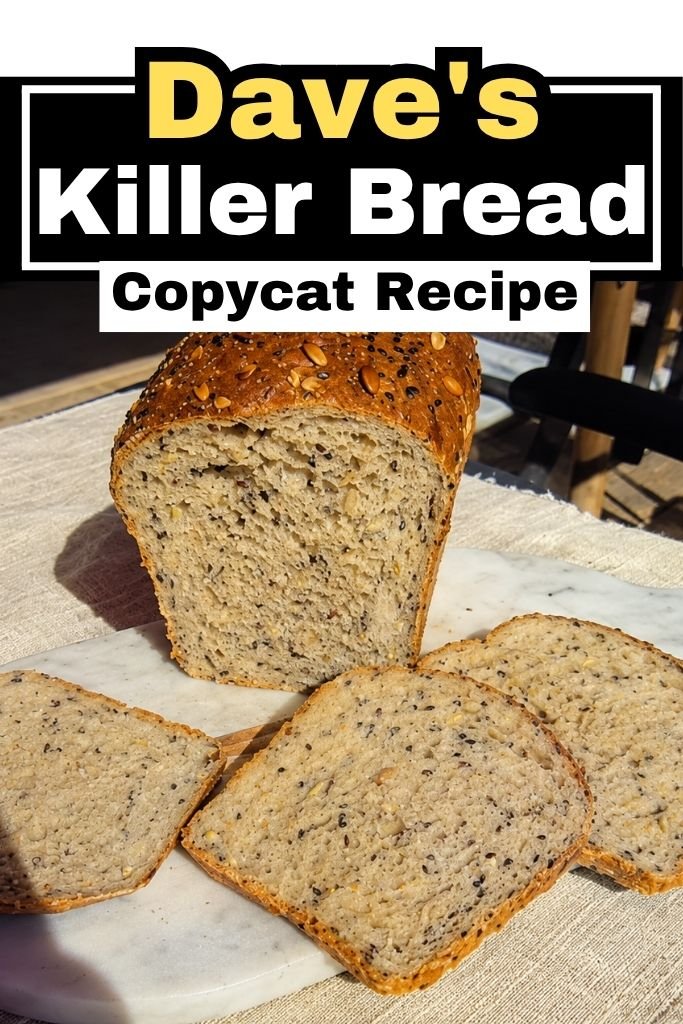
I’ve made plenty of seeded loaves before, but the seed coating on this one is what gets people talking. It’s not just a hearty grain bread.
This Dave’s Killer Bread Copycat Recipe uses seven different seeds and grains mixed into the dough, plus a wet, sticky crust rolled in even more seeds before baking.
You get crunch on the outside and a soft, chewy center. It’s honestly a better balance than most store-bought versions manage.
Why Make Dave’s Killer Bread at Home?
Store-bought seeded bread gets expensive fast, and honestly, the original can taste a little too sweet for my liking.
When you make it yourself, you control exactly how much honey goes in, so it stays hearty instead of tasting like dessert.
You also get to use fresh seeds instead of whatever has been sitting in a bag on a truck for who knows how long. Baking your own loaf means your kitchen smells amazing for hours, and you end up with bread that costs a fraction of what you’d pay at the store.
Once you taste a warm slice straight out of the oven, with the crust still a little crackly and the inside soft and dense, you’ll understand why homemade wins every time.
I always lay everything out before I start mixing, because this dough comes together fast once the flour and seeds go in. Having every ingredient measured and ready saves you from scrambling halfway through.
Ingredients for Dave’s Killer Bread
- Whole wheat flour (2 cups) gives the loaf its dense, hearty base and that slightly nutty flavor you expect from a seeded bread. It soaks up more water than white flour, which is part of why the dough feels a little different to work with at first.
- Bread flour (1 1/2 cups) has a higher protein content than all-purpose flour, and that protein is what builds the gluten structure needed to hold up all those heavy seeds and grains. Without it, the loaf would sink under its own weight.
- Vital wheat gluten (2 tablespoons) is a small addition that makes a big difference. It boosts the loaf’s ability to rise even with all the whole grains and seeds weighing it down, giving you a lighter texture than you’d get otherwise.
- Rolled oats (1/2 cup) add chew and a mild, toasty flavor to the crumb. They also help the bread stay moist for longer after baking, which is a nice bonus if you’re not eating the whole loaf in one sitting.
- Poppy seeds (1 tablespoon) bring a light crunch and a slightly nutty, almost peppery taste. They’re tiny, so they distribute evenly through the dough and the crust coating alike.
- Amaranth seeds (1 tablespoon) are one of the less common additions here, but they toast up beautifully on the crust and add a subtle earthiness you won’t find in a plain sandwich bread.
- Sesame seeds (2 tablespoons) toast to a warm, golden color in the oven and add a rich, slightly buttery flavor to every bite of crust.
- Chia seeds (1 tablespoon) don’t add much flavor on their own, but they contribute a nice bit of texture and help the dough hold moisture as it bakes.
- Flax seeds (2 tablespoons) and ground flax meal (2 tablespoons) both go into this dough. The whole seeds add crunch, while the ground meal blends into the dough itself, adding a mild, nutty depth without changing the texture too much.
- Sunflower seeds (2 tablespoons) add a satisfying crunch and a mellow, slightly sweet flavor that pairs really well with the honey in the dough.
- Pumpkin seeds (2 tablespoons) are one of the larger seeds in the mix, and they add a hearty bite along with a bit of visual appeal once the crust is coated and baked.
- Salt (1 1/2 teaspoons) balances all that natural sweetness from the honey and keeps the flavor from tasting flat. It also helps control how fast the yeast works.
- Active dry yeast (2 1/4 teaspoons, or one packet) is what makes the dough rise, turning a dense mix of flour and seeds into a light, airy loaf over time.
- Warm water (1 1/4 cups) activates the yeast and hydrates the flour, bringing everything together into a workable dough.
- Olive oil (3 tablespoons) keeps the crumb soft and adds a little richness without overpowering the other flavors.
- Honey (2 tablespoons) adds natural sweetness, but just enough to round out the flavor rather than making the bread taste like a treat. It also helps the crust brown nicely in the oven.
How To Make Dave’s Killer Bread Copycat Recipe at Home
I always tell people this dough looks intimidating with its long ingredient list, but the process itself is simple. You basically dump, mix, and wait. Here’s how it comes together from start to finish.
1. Mix the Wet Ingredients First: Pour your warm water into a large mixing bowl. Add the olive oil next, then the honey right after it. Adding the oil before the honey actually makes a difference here, because the oil coats the bowl and keeps the honey from sticking to the sides.
You want the water warm to the touch, not hot, since water that’s too hot can kill the yeast before it ever gets a chance to work.
2. Add the Dry Ingredients and Seeds: Now add your whole wheat flour, bread flour, vital wheat gluten, and rolled oats straight into the bowl with the wet ingredients. Follow that with the poppy seeds, amaranth, sesame seeds, chia seeds, flax seeds, ground flax meal, sunflower seeds, and pumpkin seeds.
Put your yeast on one side of the bowl and your salt on the opposite side before mixing. Keeping them apart at this stage stops the salt from slowing down the yeast before mixing even begins.
3. Knead the Dough: Attach your dough hook and start your mixer on low speed. Starting slow keeps the flour from flying up and out of the bowl before it’s had a chance to absorb the liquid.
Once everything looks roughly combined, after about two minutes, bump the speed up to medium. Let the dough knead for about 10 minutes total. Around the six-minute mark, you’ll notice the dough pulling cleanly away from the sides of the bowl, which is a good sign that the hydration is right.
If your dough looks too wet and won’t clean the bowl, add a spoonful of flour at a time. If it looks dry and crumbly, add a splash more water. By the 10-minute mark, the dough should look smooth and elastic, wrapped neatly around the hook.
4. Let the Dough Rise the First Time: Coat a clean bowl with a little olive oil. Shape your dough into a ball and place it in the bowl, turning it once so the whole surface gets a light coating of oil.
Cover the bowl with plastic wrap and set it somewhere warm. If your oven has a proofing setting, use that.
If not, turning on the oven light with the door closed works just as well. Let the dough rise for about an hour and a half, or until it has roughly doubled in size.
5. Shape the Loaf: Once the dough has doubled, punch it down gently and turn it out onto your counter. Roll it up into a tight log, tucking the ends underneath as you go to keep the seam sealed and all those seeds locked inside. Pinch the seam closed along the bottom so it doesn’t split open during the second rise.
6. Coat the Loaf in Seeds: Wet your hands with a little water and run them over the entire surface of the shaped loaf. This step matters more than you’d think, because dry dough won’t hold seeds at all.
Press the loaf into a shallow dish of mixed oats, pumpkin seeds, sesame seeds, and poppy seeds, turning it to coat every side. Press gently so the seeds stick without flattening your loaf.
7. Second Rise and Bake: Place the shaped, seeded loaf into a greased loaf pan. Cover it again with plastic wrap and let it rise in that same warm spot for about 45 minutes, or until the dough just begins to crest above the rim of the pan.
Preheat your oven to 350 degrees Fahrenheit while you wait. Once the dough is ready, bake the loaf for about 40 minutes, until the crust is deep golden brown and the seeds on top look toasted.
8. Cool and Slice: Let the loaf cool completely in the pan, or at least until it’s cool enough to handle safely, before slicing into it.
Cutting too early lets steam escape and can leave you with a gummy center, so patience pays off here. Once it’s cool, slice and enjoy the crust, the seeds, and that soft, dense crumb underneath.
How to Get a Soft Dave’s Killer Bread
- Measure your flour by spooning it into the cup and leveling it off, instead of scooping straight from the bag, so you don’t end up with too much and a dry loaf.
- Keep your water warm, not hot. Hot water can kill the yeast before it even starts working.
- Let the dough rise in a warm, draft-free spot for the full amount of time. Rushing this step leaves you with a denser loaf.
- If your kitchen is cold, turning on your oven light with the door shut creates just enough warmth for a good rise.
- Wet your hands before pressing seeds onto the loaf, or they simply won’t stick.
- Let the bread cool fully before slicing, even though it’s tempting to cut in right away. A warm loaf cut too soon can turn gummy in the middle.
- Store leftover slices in an airtight bag once fully cooled to keep the crust from going soft too fast.
What to Serve With Dave’s Killer Bread
This loaf is hearty enough to hold its own, so I usually keep the sides simple and let the bread be the star of the plate. Here are a few ways I like to serve it:
- Toasted with a thick spread of butter and a drizzle of honey
- Sliced for a sandwich with turkey, avocado, and a sharp cheddar
- Alongside a bowl of soup for dipping, since the seeded crust holds up well
- Toasted and topped with mashed avocado, a pinch of salt, and a squeeze of lemon
- Served with scrambled eggs for a filling breakfast
- Made into French toast for a heartier, seeded twist on the classic
Dave’s Killer Bread Copycat Recipe FAQs
A few questions come up again and again whenever I share this recipe, so here are the answers based on what I’ve run into while baking it myself.
1. Can I make this bread without a stand mixer?
Yes, you can knead this dough by hand, though it takes more effort because of all the seeds and whole grains mixed in. Plan on kneading for about 12 to 15 minutes by hand instead of the 10 minutes a stand mixer needs.
You’re looking for the same result either way: a smooth, elastic dough that springs back slightly when you press a finger into it. Hand kneading also gives you a better feel for whether the dough needs more flour or more water as you go.
2. Why did my loaf turn out dense instead of light?
A dense loaf usually points to one of two things: the yeast didn’t activate properly, or the dough didn’t rise long enough. Check that your water was warm, not hot, since heat above 120 degrees Fahrenheit can kill yeast outright.
Also make sure you’re giving the dough the full rise time listed, especially in a cooler kitchen, since whole wheat flour and all those seeds naturally weigh the dough down more than a plain white loaf would.
3. Can I freeze this bread?
Absolutely, and it freezes well. Let the loaf cool completely first, then slice it before freezing so you can pull out individual pieces as needed. Wrap the slices tightly in plastic wrap and place them in a freezer bag, pressing out as much air as possible. It keeps well for up to three months and toasts up nicely straight from frozen.
4. Why is my dough too sticky to work with?
Whole wheat flour and seeds absorb moisture differently than white flour, so a slightly sticky dough right after mixing is normal.
If it’s still sticking heavily to your hands after kneading, add flour a tablespoon at a time until it firms up. Just be careful not to add too much at once, since that can leave you with a dry, dense loaf instead of the soft texture you’re after.
Dave's Killer Bread Copycat Recipe
Dave's Killer Bread Copycat Recipe takes 4 hours 20 minutes for a hearty, seeded homemade loaf with whole grains, oats, and honey.
Ingredients
- 2 cups whole wheat flour
- 1 ½ cups bread flour
- 2 tablespoons vital wheat gluten
- ½ cup rolled oats
- 1 tablespoon poppy seeds
- 1 tablespoon amaranth seeds
- 2 tablespoons sesame seeds
- 1 tablespoon chia seeds
- 2 tablespoons whole flax seeds
- 2 tablespoons ground flax meal
- 2 tablespoons sunflower seeds
- 2 tablespoons pumpkin seeds
- 1 ½ teaspoons salt
- 2 ¼ teaspoons active dry yeast (1 packet)
- 1 ¼ cups warm water
- 3 tablespoons olive oil
- 2 tablespoons honey
For coating the loaf:
- 2 tablespoons rolled oats
- 1 tablespoon pumpkin seeds
- 1 tablespoon sesame seeds
- 1 tablespoon poppy seeds
Instructions
- Mix the wet ingredients: Add the warm water to a large mixing bowl. Stir in the olive oil and honey.
- Add the dry ingredients: Add the whole wheat flour, bread flour, vital wheat gluten, rolled oats, poppy seeds, amaranth seeds, sesame seeds, chia seeds, flax seeds, ground flax meal, sunflower seeds, and pumpkin seeds. Add the yeast to one side of the bowl and the salt to the opposite side.
- Knead the dough: Using a dough hook, mix on low speed until the ingredients come together, about 2 minutes. Increase to medium speed and knead for about 8 more minutes. The dough should become smooth and elastic. Add a little flour if it is too wet or a small splash of water if it is too dry.
- Let the dough rise: Lightly oil a clean bowl. Shape the dough into a ball and place it in the bowl, turning it once to coat with oil. Cover and let rise in a warm place for about 1½ hours, or until doubled in size.
- Shape the loaf: Gently press down the risen dough and transfer it to a lightly floured counter. Shape it into a tight log and pinch the seam closed.
- Coat with seeds: Lightly wet the outside of the loaf with water. Mix the oats, pumpkin seeds, sesame seeds, and poppy seeds in a shallow dish. Roll the loaf through the mixture, gently pressing the seeds onto the surface.
- Second rise and bake: Place the seeded loaf in a greased loaf pan. Cover and let rise for about 45 minutes, or until the dough rises just above the rim. Meanwhile, preheat the oven to 350°F. Bake for about 40 minutes, until the crust is deep golden brown and the seeds are toasted.
- Cool and slice: Let the bread cool completely before slicing. This helps the crumb set and keeps the center from becoming gummy. Slice and serve.
Nutrition Information:
Serving Size: 1Amount Per Serving: Calories: 225